Public speaking is an art. For non-native English speakers, public speaking in American English is an invaluable skill that leads to professional opportunities , social engagements, and an impeccable reputation.
However, it isn't easy. Speaking to an audience can sometimes be a challenge and it becomes even more demanding when attempting to speak in a language that you aren’t fluent in.
Mastering this art of public speaking often demands possessing a fluent accent, proper speech delivery, and simplicity in conveying thoughts—qualities that many non-native speakers grapple with. Regardless, rather than shy away from speaking in public, embrace it as an opportunity for personal and professional growth.
In this article, we address how to learn public speaking in english, especially for non-native speakers. We also highlight key strategies that will help you attain language proficiency and refine your accent.
How to be a Good Public Speaker in English
Refine your Accent
The fear of public speaking for non-native English speakers is often directly linked to the challenge of speaking with a clear and comprehensible accent. Speaking with a native-level accent not only promotes understanding, but it increases your confidence as a speaker.
This, in turn, creates a more impactful and engaging experience for yourself and your listeners. You must therefore make an effort to understand the intricacies of the language you're speaking in so that your accent is articulate.
For instance, to master public speaking in American English, it is important to embrace the nuances of the General American accent . This includes perfecting its intonations , unique stress patterns, mouth movements, and speech pace.
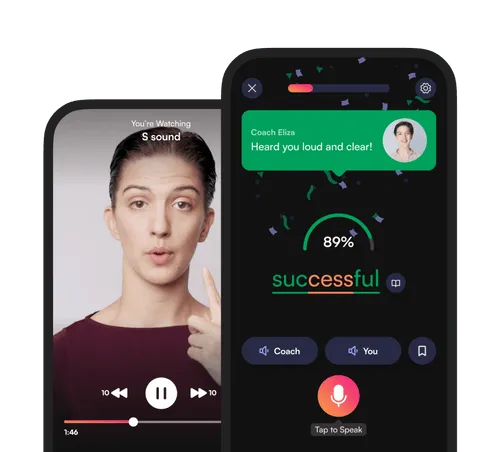
You can achieve this by using accent training tools and interacting with native speakers. Refining your accent with resources like BoldVoice can be transformative for your public speaking skillset and therefore, your success.
Embrace Clarity and Simplicity
Public speaking aims to effectively pass information to an audience. Especially when it comes to public speaking for non-native English speakers, the trick is focusing on speaking in very clear and simple terms.
Now, you may be tempted to replace simple words with complex ones in a bid to sound more eloquent. However, using complex sentences only confuses your audience and makes you prone to making errors. Always aim for simplicity and comprehensibility.
Speak Slowly
It's okay to take your time when speaking in front of many people. You can go silent at intervals, especially if you need some time to collect your thoughts. Bear in mind that you are not a robot and it is normal to speak slowly like humans do.
Many times, public speaking for non-native English speakers is challenging because speakers tend to rush their speech. Give yourself a break, take time to breathe, calm your nerves, and think your sentences through before speaking.
Pauses can add to the impact of a well-crafted speech, and speaking slowly and clearly conveys confidence.
Prioritize Practice
Practicing before speaking in front of many people, whether at work or social gatherings, is vital if you want to speak fluently.
Be deliberate about active practice , which entails scrutinizing your grammar, body posture, stress pattern, and accent. You can practice in front of a mirror on your own or with a friend as an audience.
Remember to engage in multiple rehearsals until you have addressed all of your flaws and perfected your speech. Consider recording your practice sessions for real-time constructive feedback as you rehearse.
Research Your Audience
Know the audience you’ll be delivering a speech to and what interests them, no matter how small the group is. What is their age bracket? Do they enjoy humor? How long is their attention span? Would they benefit from seeing visuals?
This trick eliminates the element of surprise and arms you with the right tools to effectively communicate with your audience. By being thorough and feeling prepared, you can significantly boost your confidence - and therefore your performance.
Embrace Interactive Elements
Because you are trying to convey a message, it's essential to make sure your listeners are receptive.
One of the best ways to ensure your audience’s receptiveness is by interacting with them rather than just addressing them. You can do this by asking questions, gathering opinions, and soliciting feedback.
Not only does engaging your audience help you pass your message more effectively, it also builds confidence, knowing they are following your speech.
Incorporate Visuals
If you can, use compelling and eye-catching visuals. These tend to make people actively listen as they try to interpret them. In the same vein, consider gesticulating, using your body and hands to emphasize certain words when you speak.
Employing gesticulation and visual aids like images and slides compensates for language challenges, fostering improved clarity and understanding.
Watch how then-senator Barack Obama addresses the DNC Convention in this clip below. Notice how he employs thoughtful gesturing to capture the audience and drive home his points. Also, pay attention to his strategic use of pausing and his slow, confident speech patterns.
Common Public Speaking Challenges
Sometimes you find that even when you try so hard, you never seem to master how to speak English confidently in public. Many factors may be contributing to this feeling, and being aware of those challenges is the first step in overcoming them.
Disproportionate Focus on Grammar
Grammar is an important part of any language, but overly focusing on it will only hamper your ability to speak.
While it is essential to communicate clearly, being overly critical about grammar can create unnecessary stress and hinder the flow of speech. Constantly worrying about grammatical correctness may also divert attention from the main message and impede your confidence.
As long as your audience can understand what you're trying to convey, and they're engaged in your speech, minor grammatical errors will not impact the success of your speech.
Fear of Mistakes
The fear of making mistakes can contribute to anxiety during English public speaking.
Mistakes happen when speaking in front of a crowd, especially if you’re not an expert in public speaking. All of these errors, however, provide a learning curve, bringing you one step closer to speaking fluently.
Gliding past minor errors and not allowing them to affect your confidence or dampen your speech is an essential skill when improving your public speaking in English.
Cultural Differences
Cultural differences strongly influence public speaking for non-native English speakers.
Varied communication styles, non-verbal cues, humor, and social norms may create challenges in effectively transmitting messages. Individuals familiar with the culture of their listeners tend to communicate better and form more meaningful connections.
Engross yourself in the American English culture—consume sarcasm, idioms, and slang phrases whenever possible.
Lack of Experience
Without regular exposure, you may struggle to grasp the nuances commonly used in spoken English.
Limited experience with public speaking may also mean fewer opportunities to receive feedback on your speaking skills. This often results in reduced confidence in expressing ideas and opinions, hindering the development of a key element in successful public speaking.
This is why you must practice often, either on your own or with friends as your audience.
Enhance Public Speaking as a Non-native English Speaker
Mastering the art of public speaking is an invaluable skill. With the world now being a global village and English being an increasingly universal language, more platforms are arising for non-native English speakers to address diverse audiences.
While challenges may arise, constant practice, simplicity, and cultural awareness can transform these obstacles into strengths. Remember, effective communication goes beyond understanding the language. It encompasses the willingness to also refine your accent and speak clearly so that your audience understands you.
With BoldVoice , mastering the art of public speaking for non-native English speakers is closer than you think. The advanced app trains your accent through customized lessons and constructive feedback, helping you build the confidence you need to speak fluently.
Take the next step in developing confidence and impactful public speaking skills by getting started on your free 7 day trial today. Learning how to speak good English in public has never been more accessible.